Railroaders are the backbone of America’s freight rail industry, embodying pride, resilience, and a commitment to something greater than themselves. Whether continuing a family tradition or starting a new career, rail employees enjoy competitive compensation, comprehensive benefits, and growth opportunities that have supported generations of dedicated professionals. Together, they uphold freight rail’s legacy of advancing our country and its economy while paving the way for the next generation of railroading.
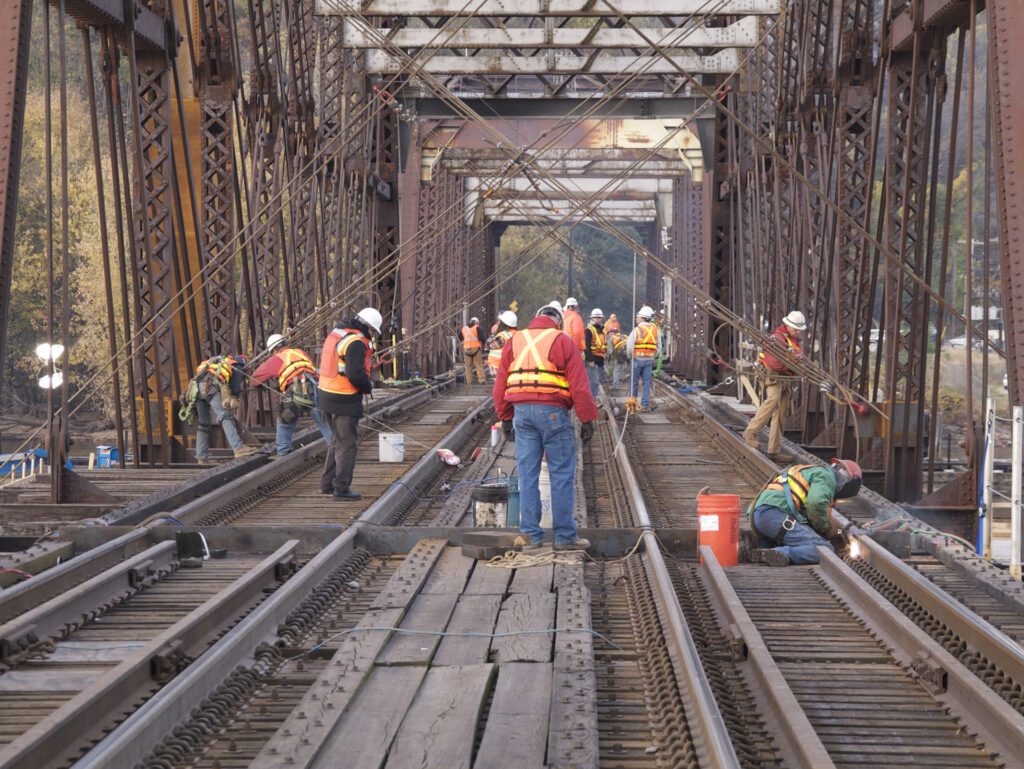
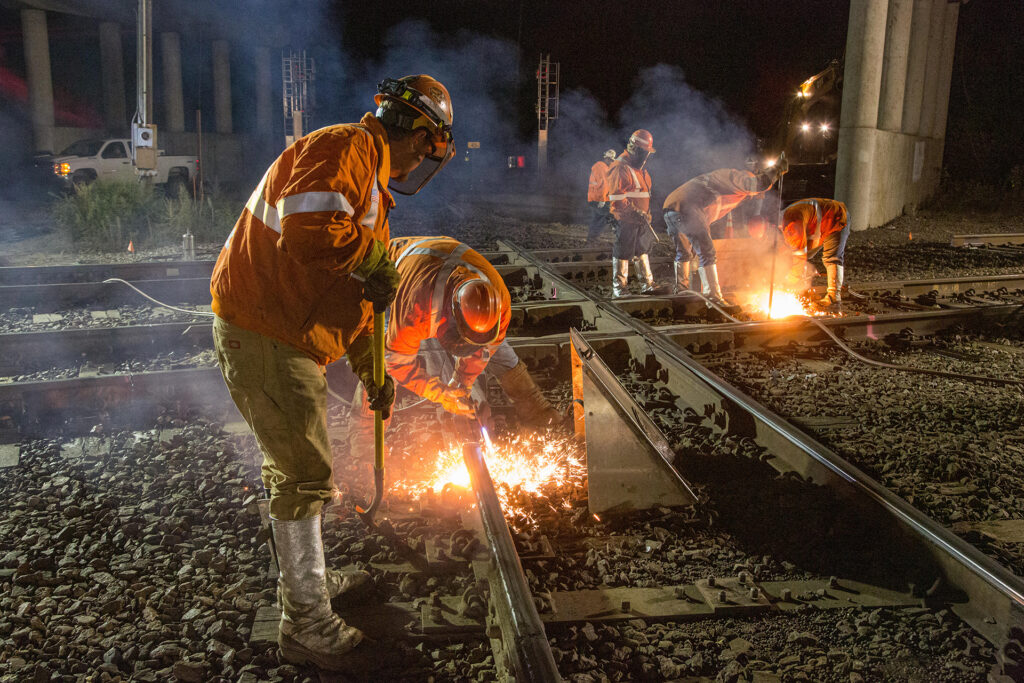
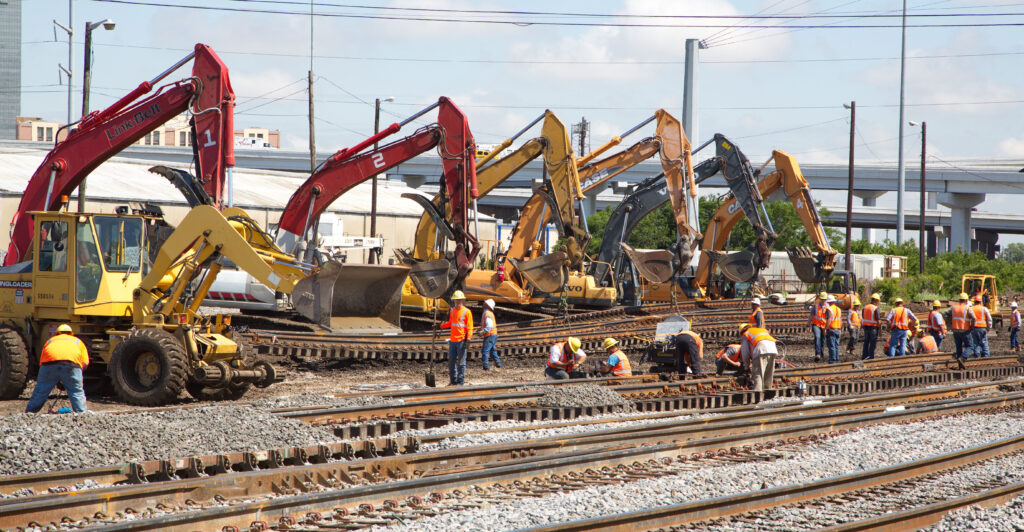
The 18.8% wage increase in the most recent pattern bargaining agreements builds on the historic 24% wage increase from the 2022 bargaining round. Taken together, these wage increases represent a nearly 50% (compounded) wage increase for covered employees between 2020 and 2029. Under these agreements, average annual wages will rise to $135,000 and average total compensation will increase to $190,000.
Despite rising medical and pharmacy costs, employees’ 2026 health care premiums are about $308/month, well below the national average of more than $500/month for employer-provided family coverage.
Freight rail employees benefit from 28-32 days of paid time off each year, with the most senior employees receiving up to 43 days off. Today, 97% of craft employees at NCCC carriers have access to individual paid sick days and many operating craft employees have more predictable schedules than ever before.
The Railroad Retirement Act provides career railroaders with up to twice as much in retirement benefits as the average Social Security recipient, ensuring financial security for their future.
High wages, comprehensive benefits, and ample opportunities for growth make railroading a career that many choose for life. Unionized rail employees have an average tenure three times longer than the typical private-sector worker.
Freight railroads offer hundreds of career paths and extensive training programs that empower employees to advance their careers, whether they are fresh out of high school or are already seasoned professionals.
Today’s railroaders are the driving force behind our economy. Explore how freight rail jobs are delivering for employees and their families.
Find answers to your questions about the freight rail industry and our collective bargaining process.
Who are the parties involved in national railroad bargaining?
The most recent round of bargaining included more than 30 railroads represented by the National Carriers’ Conference Committee and 12 rail unions.
What is the Railway Labor Act?
The Railway Labor Act (RLA) is a federal statute that has governed national, multi-employer bargaining between freight railroads and labor organizations representing railroad employees for nearly 100 years. Unlike other industries, under the RLA, rail labor agreements remain effective indefinitely until changed by mutual agreement. Not having to work against a fixed deadline, both parties must bargain in good faith and proceed through a structured process designed to avoid service disruptions that could impact the U.S. economy.
How long does the bargaining process take?
The 2025 round of national handling was the fastest in decades, closing in only 18 months. The prior four rounds averaged more than three years.
When did negotiations start and end?
The national collective bargaining agreements between freight rail carriers and rail unions reopened for negotiation starting on November 1, 2024. At that time, “Section 6 notices” were exchanged and bargaining began. Bargaining closed when BRS announced its ratification on July 6, 2026.
