A collaborative process delivers a strong, efficient outcome for railroads, unions, and employees.
Railroaders take pride in their work, have grit and want to be part of something bigger than themselves. They have helped freight rail move our economy and communities forward for generations. Whether they come from longtime rail families or are new to the industry, rail employees pursue rewarding careers with competitive compensation, comprehensive benefits and growth opportunities that have sustained generations of railroaders.
The 18.8% wage increase in the most recent pattern bargaining agreements builds on the historic 24% wage increase from the 2022 bargaining round. Taken together, these wage increases represent a nearly 50% (compounded) wage increase for covered employees between 2020 and 2029.
Railroad careers include best-in-class health care plans and generous retirement benefits at a lower cost than those most American workers receive. Employees’ 2026 health care premiums are about $308/month, well below the national average of more than $500/month for employer-provided family coverage.
Through extensive training, apprenticeship programs and more, freight rail extends opportunities to everyone from recent high school graduates to those with professional degrees.
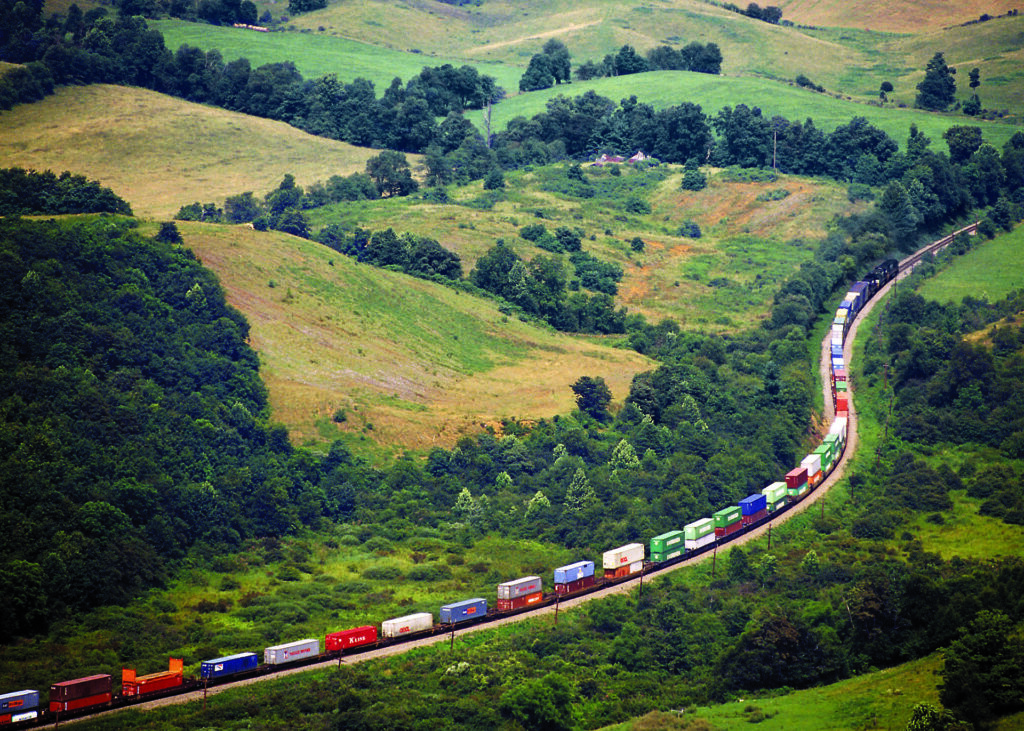
With all national agreements ratified, the 2025 bargaining round is complete. Explore the agreements and learn how railroads worked together with unions to deliver benefits for freight rail employees.
A collaborative process delivers a strong, efficient outcome for railroads, unions, and employees Arlington,...
Link to Content
Once ratified, NCCC-BRS deal will close out the current national bargaining round Arlington, Va. (June...
Link to Content
In the one year since national bargaining opened, eleven unions have ratified twelve national agreements...
Link to Content
2025 bargaining round has seen historic collaboration between freight rail carriers and the unions Arlington,...
Link to Content
Find answers to your questions about the freight rail industry and our collective bargaining process.
When did national negotiations start and end?
The national collective bargaining agreements between freight rail carriers and rail unions reopened for negotiation starting on November 1, 2024. At that time, “Section 6 notices” were exchanged and bargaining began. Bargaining closed when the last participating union announced its ratification on July 6, 2026.
Who are the parties involved in national railroad bargaining?
The 2025 round of national bargaining included more than 30 railroads represented by the National Carriers’ Conference Committee and 12 rail unions:
How long did the bargaining process take?
The 2025 round of national handling was the fastest in decades, closing in only 18 months. The prior four rounds averaged more than three years.
The National Railway Labor Conference (NRLC) is an association representing all U.S. Class I freight railroads and many smaller freight and passenger lines. Through its National Carriers’ Conference Committee (NCCC), the NRLC leads national negotiations with the 12 major rail labor organizations, impacting more than 100,000 employees.
